How much is paid to the tax authorities for a subsidy?
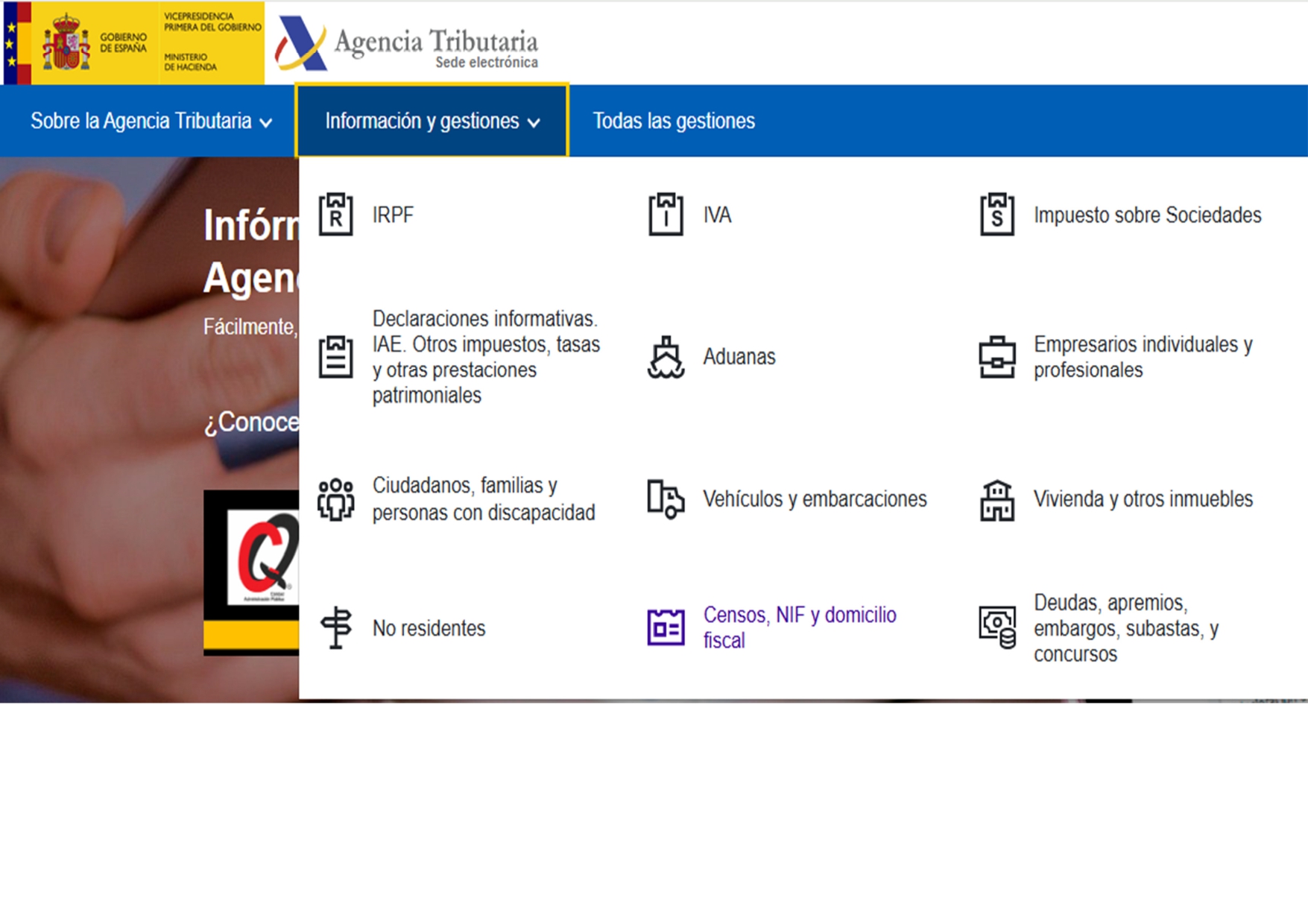
It is important to note that if you receive additional income, you must always declare the source of this income to the tax authorities.
In the case of grants, in most cases, you must pay tax on them. The tax authorities consider grants and subsidies to be an asset subject to personal income tax (IRPF), unless an exception is explicitly stated in the agreement granting the subsidy.
Which grants must I declare?
There are some grants that are exempt from IRPF, those that are not taxed as capital gains or as income from work. Examples of this are disability benefits, adoption benefits, orphan's benefits, among others.
On the other hand, there are aids and subsidies that are subject to personal income tax and are classified in different ways:
Grants recognised as capital gains
They are linked to an asset and are not considered to be the result of an economic activity.
They may be:
- Aid for the acquisition or rehabilitation of the habitual residence.
- The Renove Plan
- Aid for the purchase of sustainable vehicles...
Grants classified as income from economic activities
In this case, the aid is counted as ordinary income for the year and as expenses related to the company's economic activity.
This applies to:
- Grants obtained to recover costs incurred within an eligible period.
- Grants for future investments related to the economic activity.
Grants classified as income from work.
This includes unemployment benefits, retirement benefits, widow's and widower's benefits, among others.
However, it is possible that the level of income exempt from personal income tax may affect the taxation of this aid.
When do companies and the self-employed have to declare subsidies?
When it comes to the self-employed and companies, it is important to take into account when subsidies must be declared.
- In the case of grants and lump-sum subsidies, which are paid in full on receipt, they must be declared in the year in which they are received and not at the time they are granted.
- However, in the case of grants that are paid in several instalments, the form of taxation may vary and it is important to be aware of the regulations in force.
In any case, it is advisable to seek professional advice to ensure proper compliance with tax obligations.